 EN
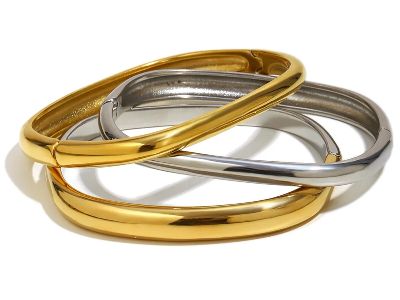
Non tarnishable jewelry has become increasingly popular among retailers seeking to offer high-quality, durable products to their customers. By choosing these types of jewelry, retailers can address many concerns, including product longevity, customer satisfaction, and overall brand reputation. This article will explore what drives retailers to choose non tarnish jewelry, focusing on the key factors influencing their purchasing decisions, including cost considerations, common procurement challenges, installation guidance for retail displays, diverse applications, and essential sourcing information.
Comparing Cost Factors for Non Tarnishable Jewelry in Bulk Orders
When evaluating non tarnishable jewelry, cost is always a primary concern for retailers, especially when ordering in bulk. Factors influencing the total cost include the quality of materials used, manufacturing processes, and customization options. For instance, jewelry made with premium materials often comes with a higher initial price but can yield long-term savings by reducing returns, increasing customer satisfaction, and enhancing brand loyalty.
Retailers should also consider minimum order quantities (MOQs) set by manufacturers, as these can significantly impact total expenditure. A higher MOQ may lead to cost savings per unit but requires a larger upfront investment. Dingran Jewelry, for example, provides flexible OEM and ODM services with a production capacity of 50,000 units per month, which allows retailers to tailor their orders according to their specific needs while maintaining cost efficiency.
Solutions to Common Problems with Non Tarnishable Jewelry Procurement
Procurement of non tarnishable jewelry presents unique challenges that retailers must navigate. Common issues include quality inconsistencies, shipping delays, and difficulties in communication with suppliers. To mitigate these concerns, it is crucial for retailers to establish clear communication channels with their manufacturers, ensuring that all specifications are understood and agreed upon before production begins.
Quality control is another critical aspect. Retailers should request samples to assess the product's durability and appearance before placing large orders. This step helps to confirm that the non tarnish affordable jewelry meets the expected standards and that any potential issues can be addressed early in the process. It’s essential to verify the manufacturer’s quality assurance processes, as this can significantly reduce the risk of receiving subpar products.
Installation Guidance for Non Tarnishable Jewelry in Retail Displays
Proper installation of non tarnishable jewelry in retail displays is vital for maximizing visual appeal and customer engagement. Retailers should consider several factors when designing their displays, such as the type of fixtures used and the overall layout of the jewelry. For instance, using appropriate lighting can enhance the visual allure of the jewelry, making it more attractive to customers.
When installing non tarnishable jewelry, it's important to ensure that the pieces are securely displayed to prevent damage. Retailers may benefit from using display stands that are specifically designed to support the weight and structure of the jewelry, as well as protective cases to prevent tarnishing due to environmental exposure. Proper installation not only preserves the integrity of the jewelry but also reinforces the retailer's commitment to quality.
How Non Tarnishable Jewelry Meets Diverse Retail Applications
The versatility of non tarnishable jewelry makes it suitable for a wide range of applications across various retail sectors. From fashion boutiques to specialty stores, this type of jewelry can cater to diverse customer preferences and market demands. Retailers can customize designs to reflect current trends while ensuring that the products remain durable and aesthetically pleasing.
In addition to fashion, non tarnishable jewelry can also be used in promotional giveaways or as part of loyalty programs. Its lasting quality means that these items can serve as effective marketing tools, enhancing brand visibility and customer retention. Retailers should consider how non tarnishable jewelry can fit into their overall product offerings and explore customization options that align with their branding strategies.
What Retailers Need to Know About Sourcing Non Tarnishable Jewelry
Sourcing non tarnishable jewelry requires careful consideration of various factors to ensure a successful partnership with manufacturers. Retailers should thoroughly evaluate potential suppliers based on their production capabilities, quality control processes, and customization expertise. It's advisable to conduct factory visits or request detailed information about the manufacturer's operations to ensure they meet the retailer's standards.
Additionally, understanding the materials used in non tarnishable jewelry is crucial. Retailers should inquire about the types of plating and coatings applied, as these can significantly affect the jewelry's durability and appearance over time. For instance, advanced plating techniques used by manufacturers like Dingran Jewelry can enhance the longevity of the jewelry, making it a worthwhile investment for retailers.
When preparing to source non tarnishable jewelry, retailers should gather comprehensive information, including product specifications, order quantities, desired customization options, and packaging preferences. This preparation will facilitate more efficient negotiations and ensure that the final products align with the retailer's expectations.
In summary, understanding what drives retailers to choose non tarnishable jewelry involves a comprehensive approach to cost evaluation, procurement challenges, effective display strategies, diverse applications, and informed sourcing practices. By focusing on these key areas, retailers can make informed decisions that enhance their product offerings and ultimately contribute to their success in the competitive non tarnishable jewelry market.
Table of Contents
- Comparing Cost Factors for Non Tarnishable Jewelry in Bulk Orders
- Solutions to Common Problems with Non Tarnishable Jewelry Procurement
- Installation Guidance for Non Tarnishable Jewelry in Retail Displays
- How Non Tarnishable Jewelry Meets Diverse Retail Applications
- What Retailers Need to Know About Sourcing Non Tarnishable Jewelry