 EN
EN

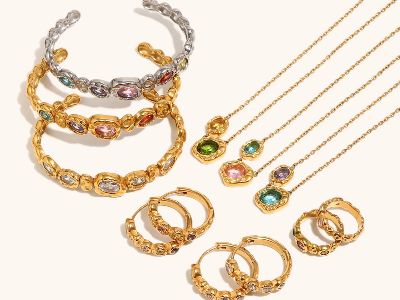
Non-tarnistable jewelry has become a crucial component for businesses in the jewelry sector, significantly reducing customer complaints and enhancing satisfaction. This article explores why non-tarnistable jewelry is essential for customer satisfaction, delving into the key specifications that distributors should consider, providing guidance for importers, outlining installation tips for retail settings, and addressing common jewelry problems that non-tarnistable options can effectively solve.
Why Non Tarnishable Jewelry Is Essential for Customer Satisfaction?
The primary concern for any jewelry retailer is the satisfaction and loyalty of their customers. Non-tarnistable jewelry addresses a significant issue: tarnishing, which can lead to customer complaints and returns. Jewelry that retains its shine and luster over time not only enhances the wearer's experience but also reflects positively on the brand's reputation. When customers invest in jewelry they expect it to maintain its appearance without frequent maintenance or cleaning. Non-tarnistable options typically use advanced plating techniques or high-quality materials that resist oxidation and discoloration. This not only meets customer expectations but can also reduce the costs associated with returns and exchanges ultimately affecting the bottom line positively. By providing customers with jewelry that remains attractive over time, businesses can foster greater trust and loyalty, encouraging repeat purchases.
Key Specifications of Non Tarnishable Jewelry for Distributors
Distributors looking to stock non-tarnistable jewelry should focus on several key specifications to ensure product quality and customer satisfaction.
Material Composition: Non-tarnistable jewelry is often made from materials such as stainless steel, titanium, or high-grade gold plating. Understanding the differences in material properties is crucial; for example, stainless steel is known for its corrosion resistance and durability, making it ideal for everyday wear.
Plating Thickness: The thickness of the plating plays a significant role in the longevity of the jewelry’s finish. A thicker layer of gold plating or other protective coatings can enhance resistance to tarnishing and scratching. Distributors should inquire about the specific plating thickness used in the products they plan to carry.
Quality Control Process: A reliable manufacturing partner like Dingran Jewelry implements stringent quality control measures throughout the production process. This includes testing for durability and tarnish resistance, which are critical factors that should be communicated to end customers.
Customization Options: Many customers seek personalized jewelry, and offering non-tarnistable options with customization can set a distributor apart. Knowing the extent of customization that can be offered, including engraving and design variations, can help distributors cater to diverse customer needs.
Certifications: While the specifics may vary, certifications related to material quality and safety standards can assure distributors and customers of the product’s reliability.
By prioritizing these specifications, distributors can make informed decisions that align with market demand and customer expectations.
A Guide for Importers
Importers play a pivotal role in the jewelry supply chain and must consider several factors when sourcing non-tarnistable jewelry.
Supplier Evaluation: Importers should assess potential suppliers not only for their manufacturing capabilities but also for their adherence to quality control processes. Understanding a supplier's history with tarnish resistance and customer complaints can provide insights into their reliability.
MOQ and Pricing: Minimum Order Quantities (MOQs) can vary significantly based on the supplier and the product type. Importers should negotiate MOQs that allow for a manageable inventory without compromising pricing. Additionally, understanding how pricing is influenced by material selection, production methods, and customization options can help in budgeting.
Lead Times: Importers need to be aware of lead times, especially when considering custom orders. A clear timeline for production and shipping can help in planning inventory needs and meeting market demands.
Sample Approval: Before placing a large order, importers should request samples to evaluate the product quality. Testing these samples under real-world conditions can provide valuable insights into durability and customer satisfaction.
By focusing on these aspects, importers can streamline their operations and ensure they offer high-quality, making jewelry charms to their customers.
Installation Guidance for Non Tarnishable Jewelry in Retail Settings
Proper installation and display of non-tarnistable jewelry in retail settings can significantly impact sales and customer perception.
Display Techniques: Using appropriate display techniques that highlight the jewelry's features can attract customers. For example, utilizing well-lit displays can showcase the shine and quality of non-tarnistable materials.
Care Instructions: Providing customers with clear care instructions can enhance their experience with the jewelry. Even though non-tarnistable jewelry requires less maintenance, educating customers on how to care for their pieces can prevent unnecessary wear and tear.
Customer Interaction: Training staff to educate customers about the benefits of non-tarnishable jewelry can foster a better shopping experience. Staff should be equipped to explain the advantages of non-tarnistable materials, enhancing customer confidence in their purchases.
By implementing these strategies, retailers can maximize the potential of non-tarnistable jewelry and improve customer satisfaction.
Common Problems with Jewelry and Solutions Offered by Non Tarnishable Options
Jewelry often faces several common problems that can lead to customer dissatisfaction, but non-tarnistable options provide effective solutions.
Tarnishing: The most prevalent issue with jewelry is tarnishing, which can occur due to exposure to moisture and chemicals. Non-tarnistable jewelry minimizes this risk through superior plating techniques and material selection.
Scratching and Wear: Jewelry is often subject to scratches and general wear over time. Non-tarnistable materials, particularly those made with stainless steel or high-quality plating, offer greater resistance to scratches, maintaining their appeal longer.
Maintenance: Many customers find the upkeep of traditional jewelry burdensome. Non-tarnistable options require less frequent cleaning and maintenance, making them more appealing for everyday wear.
Returns and Complaints: Retailers often face high rates of returns due to dissatisfaction with tarnishing or wear. By offering non-tarnistable jewelry, businesses can significantly reduce return rates and improve customer loyalty.
Understanding these common issues allows retailers and distributors to position non-tarni stable jewelry as a reliable solution, enhancing customer satisfaction and retention. By focusing on high-quality, charms for jewelry making, manufacturers and distributors can effectively meet customer needs, reduce complaints and foster long-term relationships with their clientele. As businesses aim to build their reputations, investing in durable, appealing jewelry options becomes a strategic advantage.