 EN
EN

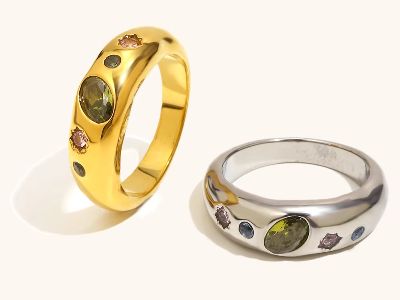
316L stainless steel jewelry is increasingly recognized as a top choice for daily wear due to its unique combination of durability and aesthetic appeal. As a B2B buyer or purchasing manager, understanding the properties of this material can significantly impact your decision-making process. This article will explore what makes 316L stainless steel jewelry ideal for everyday use, helping you evaluate quality, consider cost factors, and recognize its applications across various industries.
What Makes 316L Stainless Steel Jewelry Suitable for Daily Wear?
316L stainless steel, often referred to as marine-grade stainless steel, is known for its superior resistance to corrosion and tarnishing, making it an ideal material for jewelry that is worn daily. This grade of stainless steel contains molybdenum, which enhances its resistance to pitting and crevice corrosion in harsh environments, such as those found in salty or humid conditions.
For jewelry manufacturers, using 316l stainless steel jewelry means that the final product will not only look good but will also withstand the rigors of daily wear. This is particularly significant for users who may be exposed to various elements, including water, sweat, and chemicals. Buyers can expect a longer lifespan from jewelry made with 316L stainless steel, translating into better value over time.
How to Evaluate the Quality of 316L Stainless Steel Jewelry?
When evaluating the quality of 316L stainless steel jewelry, several specifications should be considered:
Composition: Verify that the jewelry is made from genuine 316L stainless steel. This material typically contains 16% chromium, 10% nickel, and 2% molybdenum. Buyers should request certification or material data sheets to confirm the composition.
Finish: The surface treatment of the jewelry influences both appearance and durability. High-quality pieces should have a smooth, polished finish that resists scratches and tarnishing. Pay attention to the polishing process used, as this can affect the product's overall aesthetic and longevity.
Weight and Thickness: Thicker and heavier pieces often indicate better quality, as they are less likely to bend or break. A good practice is to compare similar items to gauge their weight and overall feel.
Craftsmanship: Inspecting the craftsmanship is crucial. Look for uniformity in design, secure settings for any stones, and the overall finish. High-quality jewelry should exhibit attention to detail and precision.
To ensure that you are making a well-informed purchase, consider requesting samples before placing a bulk order. This will allow you to assess the quality firsthand.
Cost Factors to Consider When Purchasing 316L Stainless Steel Jewelry
Understanding the cost factors associated with 316L stainless steel jewelry can help buyers make more informed decisions. Here are key considerations:
Material Costs: The price of 316L stainless steel fluctuates based on market conditions. It's essential to stay updated on current pricing to ensure you receive a fair quote from suppliers.
Manufacturing Process: Customization, such as engraving or intricate designs, can increase production costs. Be clear about your design needs and ask for detailed quotes that break down costs associated with manufacturing techniques.
Volume Discounts: Many manufacturers, including those with high capacities like Dingran Jewelry, offer discounts for larger orders. Understanding the Minimum Order Quantity (MOQ) can help you negotiate better pricing.
Shipping and Handling: Consider the logistics of transporting the jewelry. Shipping costs can vary greatly depending on the destination and shipping method. Ensure these factors are included in your overall cost analysis.
Quality Assurance: Investing in a supplier that implements rigorous quality control processes may lead to higher upfront costs but can save money in the long run by reducing returns and ensuring customer satisfaction.
Applications of 316L Stainless Steel Jewelry in Various Industries
316L stainless steel jewelry is not only popular in the fashion industry but also finds applications in various sectors due to its durability and aesthetic appeal. Some notable applications include:
Fashion Accessories: Rings, bracelets, necklaces, and earrings made from 316L stainless steel are highly sought after for their stylish designs and long-lasting nature. They are popular among consumers looking for both fashion and functionality.
Corporate Gifts: Companies often choose 316L stainless steel jewelry as part of employee recognition programs or corporate gifts due to its perceived value and durability.
Medical Applications: Due to its biocompatibility, 316l stainless steel ring is also used in medical-grade jewelry, such as surgical implants and body piercings, ensuring safety and reducing the risk of allergic reactions.
Promotional Items: Businesses looking to promote their brand often opt for customized jewelry items made from 316L stainless steel, as they provide a durable and appealing way to showcase their logo or message.
Advantages of Choosing 316L Stainless Steel for Daily Wear Jewelry
Opting for 316L stainless steel jewelry brings several advantages for both manufacturers and consumers:
Durability: 316L stainless steel is resistant to rust, corrosion, and tarnishing, making it highly suitable for everyday wear. This durability extends the product's life cycle, ensuring long-term satisfaction for the buyer.
Hypoallergenic Properties: For those with sensitive skin, 316L stainless steel is an excellent choice. It is less likely to cause allergic reactions compared to other metals, allowing for comfortable daily wear.
Low Maintenance: Jewelry made from 316l stainless steel necklace requires minimal upkeep. Regular cleaning with mild soap and water is usually sufficient to maintain its shine, making it an ideal choice for busy individuals.
Versatility in Design: The material is highly adaptable, allowing for a wide range of designs and finishes. This versatility enables manufacturers to cater to diverse customer preferences, from minimalist styles to intricate designs.
Cost-Effectiveness: While the initial investment may be higher than lower-grade materials, the longevity and reduced replacement costs associated with 316L stainless steel jewelry make it a more economical choice over time.
By understanding these advantages, purchasing managers can make informed decisions that align with both quality expectations and budget constraints.
In summary, 316L stainless steel jewelry presents a compelling option for daily wear, combining durability, aesthetic appeal, and practicality. By focusing on quality evaluation, understanding cost factors, and recognizing industry applications, buyers can confidently select the right products for their needs.
Table of Contents
- What Makes 316L Stainless Steel Jewelry Suitable for Daily Wear?
- How to Evaluate the Quality of 316L Stainless Steel Jewelry?
- Cost Factors to Consider When Purchasing 316L Stainless Steel Jewelry
- Applications of 316L Stainless Steel Jewelry in Various Industries
- Advantages of Choosing 316L Stainless Steel for Daily Wear Jewelry