 EN
EN

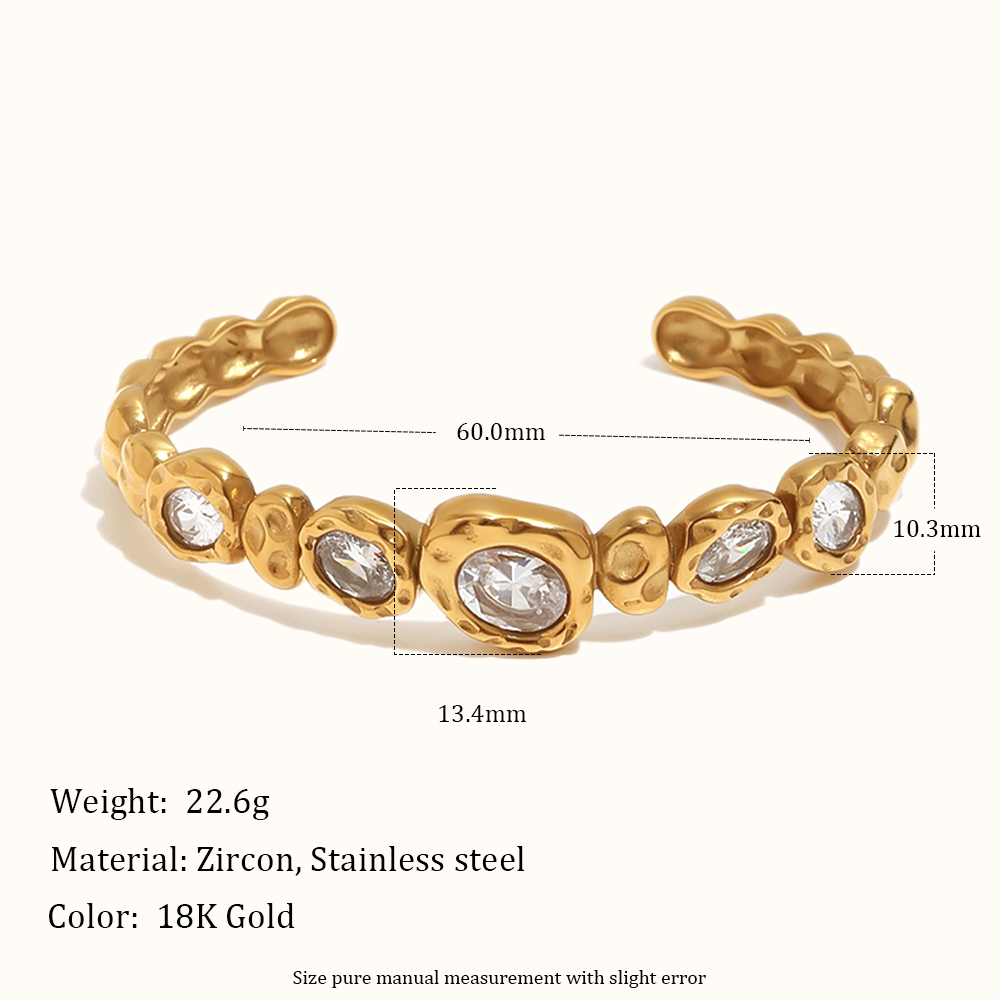
Non-tarnishable jewelry is a growing segment in the global market, especially for buyers in wholesale and export sectors. This type of jewelry, crafted from premium materials and advanced plating techniques, ensures durability and long-lasting aesthetics, making it ideal for export markets. We will delve into the specific advantages of non-tarnishable jewelry, key specifications for bulk orders, installation guidance, and how to find reliable suppliers, helping purchasing managers and distributors make informed decisions.
What Makes Non Tarnishable Jewelry Perfect for Wholesale Buyers
Non-tarnishable jewelry is particularly appealing to wholesale buyers for several reasons. Firstly, it significantly reduces the risk of returns due to tarnishing, a common issue with lower-quality non tarnish rings. This durability translates to higher customer satisfaction and fewer complaints, ultimately improving the bottom line for retailers. Moreover, the long-lasting shine ensures that the jewelry maintains its appeal over time, which is especially important in markets where trends can shift rapidly.
Another critical factor is customization. Many manufacturers, including Dingran Jewelry, offer OEM/ODM services, allowing buyers to tailor designs and specifications to meet market preferences. This flexibility enables wholesale buyers to differentiate their offerings, catering to various consumer segments while maintaining quality and durability.
Additionally, the use of advanced plating techniques enhances the product's appeal. Non-tarnishable finishes are often achieved through multi-layered coatings that provide both aesthetic and functional benefits. Buyers can expect a range of finishes and colors that appeal to diverse customer tastes, all while ensuring the jewelry remains resistant to tarnishing and scratching.
Key Specifications for Non Tarnishable Jewelry in Bulk Orders
When considering bulk orders of non-tarnishable jewelry, several key specifications should be evaluated:
Material Selection: The base material, often stainless steel, brass, or sterling silver, plays a significant role in the product's durability. Buyers should confirm the material's grade, as higher-quality metals offer better resistance to tarnishing and wear.
Plating Thickness: The thickness of the plating is crucial. A standard recommendation is a minimum of 0.5 microns for gold plating, which provides a good balance between durability and cost. Buyers should inquire about the specific plating process used and ensure that it meets their performance expectations.
Design Features: Buyers should consider design elements that enhance the product's appeal, such as gemstone settings or unique finishes. Customization options can vary widely, so it's essential to communicate specific design needs early in the purchasing process.
Quality Control Procedures: Understanding the manufacturer’s quality control processes can provide insights into product consistency. Inquire about testing methods for plating adhesion, surface finish, and overall durability to ensure that the products meet industry standards.
Packaging Requirements: Bulk orders often come with specific packaging requirements. Ensure that the manufacturer can accommodate your branding needs while protecting the waterproof tarnish free jewelry during transit.
Why Non Tarnishable Jewelry Stands Out
Non-tarnishable jewelry stands out in the crowded jewelry market due to its unique combination of aesthetics and practicality. Its resistance to tarnishing ensures that the jewelry retains its luster, making it an attractive option for consumers who prioritize low-maintenance accessories. This feature is particularly vital in regions where humidity and environmental factors can accelerate tarnishing.
Furthermore, the longevity of non-tarnishable jewelry aligns with the growing consumer trend towards sustainable practices. By investing in durable products, buyers can reduce waste and meet the increasing demand for eco-friendly options. This aspect not only appeals to environmentally-conscious consumers but also positions wholesale buyers as responsible retailers in the eyes of their customers.
Installation Guidance for Non Tarnishable Jewelry Products
While non-tarnishable jewelry is generally straightforward to use, there are some best practices for installation and care that buyers should communicate to their customers:
Handling: Advise end users to handle jewelry gently, avoiding excessive force or rough treatment, which can scratch the surface despite its durable finish.
Cleaning: Recommend cleaning with a soft cloth and mild soap solution to maintain shine. Avoid harsh chemicals that can damage the plating.
Storage: Suggest proper storage methods, such as keeping jewelry in a dry, cool place and storing pieces separately to prevent scratching.
Avoiding Moisture: While non-tarnishable jewelry is resistant to tarnishing, prolonged exposure to water, especially chlorinated or salty water, should be minimized to preserve the integrity of the plating.
Installation of Components: For jewelry pieces that may require assembly or adjustment, provide instructions or links to resources that guide users on how to do this safely and effectively.
Where to Find Reliable Suppliers of Non Tarnishable Jewelry
Finding a reliable supplier for non-tarnishable jewelry is crucial for wholesale buyers. Here are some steps to consider:
Industry Research: Start by researching manufacturers with a strong reputation in the jewelry industry. Look for companies that have experience with non-tarnishable products and a proven track record of delivering quality.
Evaluating Capabilities: Assess the supplier's manufacturing capabilities to ensure they can meet your volume requirements. Dingran Jewelry, for example, has a monthly capacity of 50,000 units, which may be beneficial for large orders.
Certifications and Standards: Verify any certifications that the manufacturer holds, as these can indicate adherence to quality standards. Certifications relevant to jewelry manufacturing may include compliance with environmental regulations and quality assurance systems.
Customer Reviews and References: Look for reviews or testimonials from other buyers. Request references from potential suppliers to gauge their reliability and service quality.
Communication and Support: Establishing a relationship with the supplier can make a significant difference. Choose a manufacturer that offers clear communication and responsive support, which can facilitate smoother transactions and problem resolution.
By focusing on these aspects, wholesale buyers can ensure they partner with reputable suppliers, resulting in high-quality, non-tarnishable jewelry that meets their business needs.