 EN
EN

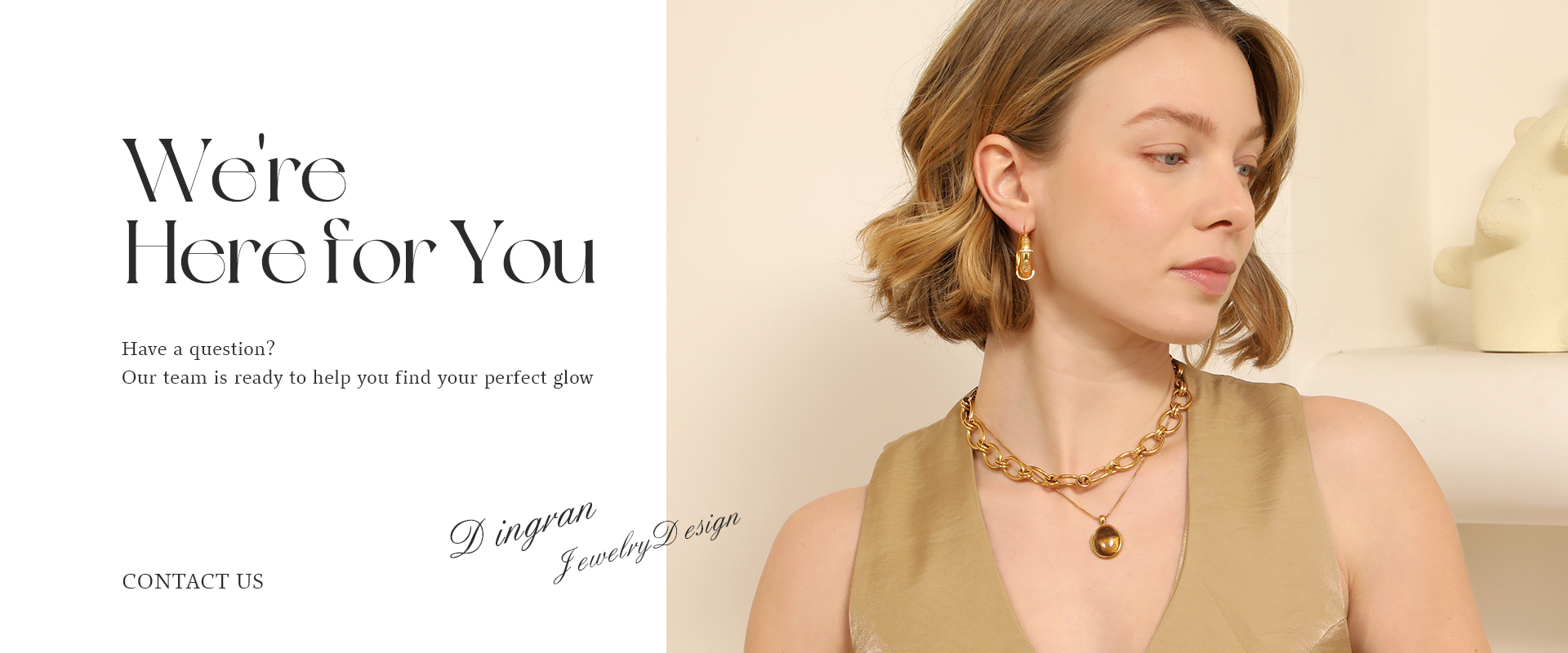
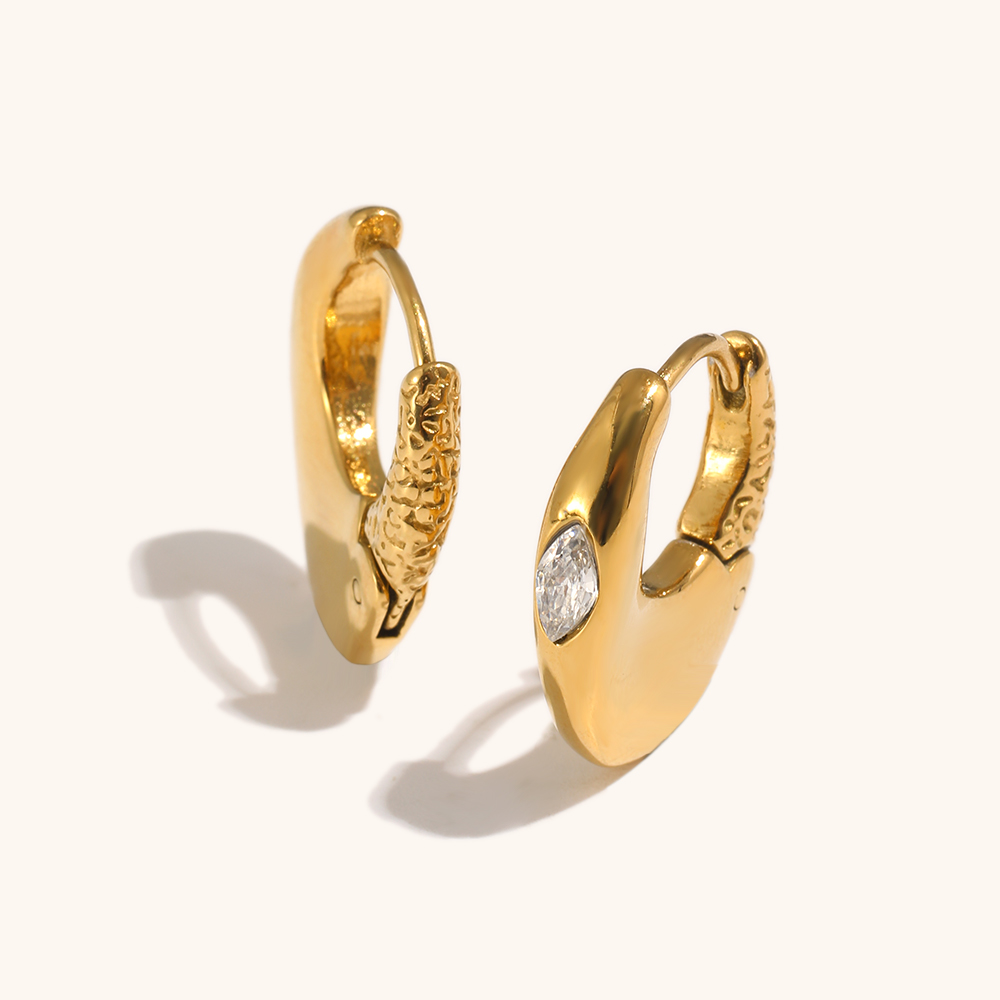
316L stainless steel jewelry is increasingly recognized in the industry for its outstanding durability, corrosion resistance, and aesthetic appeal. For B2B buyers in the jewelry manufacturing space, understanding how 316L stainless steel necklace supports stable quality output is essential to making informed purchasing decisions. This article will address key concerns such as quality control, cost considerations, installation tips, and common material issues, equipping buyers with the knowledge needed to evaluate potential suppliers effectively.
How 316L Stainless Steel Jewelry Ensures Consistent Quality Control?
Quality control is paramount in jewelry manufacturing, and 316L stainless steel offers a reliable solution. This alloy contains a higher nickel content compared to other stainless steels, which enhances its resistance to rust and tarnishing. For manufacturers, this means less variability in the quality of finished products, as the material is less susceptible to environmental factors that can affect traditional metals.
To ensure consistent quality output, manufacturers should implement rigorous quality control processes. This includes regular testing of raw materials, monitoring production parameters, and conducting thorough inspections of finished products. For instance, Dingran Jewelry applies advanced plating techniques and maintains strict adherence to production standards, ensuring that each piece of jewelry meets high durability and aesthetic standards. Buyers should verify that their suppliers have similar quality assurance protocols in place to mitigate risks associated with raw material inconsistencies.
Advantages for Jewelry Manufacturers
Choosing 316L stainless steel for jewelry production offers several advantages. First, its hypoallergenic properties make it suitable for sensitive skin, broadening the potential customer base. Second, 316L stainless steel is highly resistant to corrosion and scratching, ensuring longevity and reducing the need for frequent replacements. This durability is particularly beneficial for manufacturers targeting markets with high turnover rates, such as fashion jewelry.
Furthermore, the customization capabilities of 316L stainless steel allow manufacturers to create unique designs without compromising quality. With Dingran Jewelry's OEM/ODM services, businesses can achieve high levels of personalization while maintaining a stable production capacity of 50,000 units per month. Buyers should consider these factors when evaluating material options, as they directly impact customer satisfaction and return on investment.
Cost Factors to Consider When Purchasing 316L Stainless Steel Jewelry
Cost is a critical consideration for buyers when sourcing jewelry materials. Although 316L stainless steel may have a higher initial cost compared to other materials, its durability can result in lower long-term costs. Manufacturers often face expenses related to returns, replacements, and customer dissatisfaction when using inferior materials. Therefore, investing in high-quality materials like 316L stainless steel can lead to substantial savings over time.
When requesting quotes for 316L stainless steel jewelry, buyers should provide detailed specifications, including design complexity, quantity, and any customization requirements. This information enables suppliers to offer accurate pricing and lead times. Additionally, understanding the cost implications of stainless steel stud earrings production methods, such as plating and finishing, can impact overall budget considerations. Buyers are encouraged to engage in transparent discussions with suppliers to explore potential cost-saving measures while ensuring quality standards remain intact.
Installation Tips for 316L Stainless Steel Jewelry in Various Settings
Installation considerations are crucial when integrating 316L stainless steel jewelry into different applications. For instance, when using this material in personalized jewelry pieces, it is essential to ensure that clasps and other components are compatible with various designs. The strength and corrosion resistance of 316L stainless steel make it suitable for both casual and formal settings, but installation techniques may vary.
When installing jewelry, it is recommended to use non-corrosive tools to avoid damaging the metal's surface. For items that will be subjected to frequent wear, such as bracelets and rings, ensuring a secure fit is essential to prevent loss. Buyers should inquire about installation guidelines from their suppliers and consider requesting samples to test fit and comfort before mass production.
Common Problems with Jewelry Materials and How 316L Stainless Steel Solves Them
Jewelry manufacturers often encounter issues related to material degradation, including tarnishing, discoloration, and breakage. Traditional metals can be vulnerable to environmental factors, leading to customer complaints and increased return rates. In contrast, 316L stainless steel jewelry effectively addresses these challenges. Its superior resistance to oxidation and corrosion means that products maintain their aesthetic appeal over time, significantly reducing the likelihood of customer dissatisfaction.
For manufacturers, it is vital to conduct thorough inspections of raw materials and finished products to identify any potential defects. Implementing a proactive approach to quality assurance can help mitigate the risks associated with inferior materials. Buyers should ask potential suppliers about their inspection processes and any relevant certifications that demonstrate their commitment to quality.
understanding how 316L stainless steel jewelry supports stable quality output is essential for B2B buyers in the jewelry industry. By focusing on quality control, recognizing the advantages of this material, considering cost factors, being aware of installation tips, and addressing common material problems, buyers can make informed decisions that enhance their stainless steel jewelry product offerings and customer satisfaction.
Table of Contents
- How 316L Stainless Steel Jewelry Ensures Consistent Quality Control?
- Advantages for Jewelry Manufacturers
- Cost Factors to Consider When Purchasing 316L Stainless Steel Jewelry
- Installation Tips for 316L Stainless Steel Jewelry in Various Settings
- Common Problems with Jewelry Materials and How 316L Stainless Steel Solves Them