 EN
EN

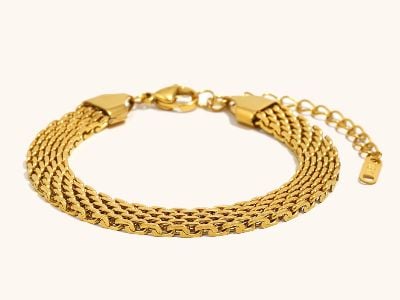
316L stainless steel jewelry has become a trusted choice for long-term use in various applications, particularly in the manufacturing and retail sectors. This article will delve into the unique benefits of 316L stainless steel jewelry, addressing the key concerns of B2B buyers, such as durability, sourcing, and application suitability. By understanding these aspects, purchasing managers, distributors, and product managers can make informed decisions when considering 316L stainless steel jewelry for their businesses.
Understanding the Benefits of 316L Stainless Steel Jewelry for Buyers
316L stainless steel jewelry is renowned for its exceptional corrosion resistance and durability, making it ideal for long-term wear. This material contains molybdenum, which enhances its ability to withstand harsh environments, including exposure to moisture and saltwater. For B2B buyers, the long-lasting nature of 316L stainless steel translates into lower replacement costs and increased customer satisfaction, as products maintain their appearance over time. Additionally, this alloy is hypoallergenic, which is a significant consideration for jewelry intended for a wide audience. Many consumers are sensitive to metals like nickel, which can cause allergic reactions. Offering jewelry made from 316L stainless steel can help businesses cater to a broader customer base, enhancing their market appeal. Buyers should also appreciate that 316l stainless steel jewelry is easy to maintain. Regular cleaning with mild soap and water can keep the jewelry looking new, thus reducing the need for special care instructions and increasing customer convenience.
Where to Source Reliable Suppliers for 316L Stainless Steel Jewelry?
Finding a reliable supplier for 316L stainless steel jewelry is crucial for ensuring product quality and consistency. Buyers should look for manufacturers with a strong reputation in the industry, such as Dingran Jewelry, which specializes in customizable jewelry with OEM/ODM services. When evaluating suppliers, consider the following factors:
Production Capacity: Assess whether the supplier can meet your volume needs. For instance, Dingran Jewelry has a capacity of 50,000 units per month, allowing for both small and large orders.
Quality Control Processes: Ensure the supplier has robust quality assurance systems in place. This might include inspections at various production stages, material certifications, and adherence to industry standards.
Customization Options: A good supplier should offer a range of customization services, from design alterations to specific plating techniques. This flexibility can enhance your product line and meet unique customer demands.
Lead Times: Understand the supplier's lead times for production and shipping. This information is vital for planning inventory and managing customer expectations.
Communication and Support: Reliable suppliers should provide clear communication channels and support throughout the purchasing process, from initial inquiry to post-sale assistance.
Comparing 316L Stainless Steel Jewelry with Other Materials
When considering jewelry materials, 316L stainless steel stands out against alternatives like gold, silver, or even lower-grade stainless steels. Here are some key comparisons:
Durability: While gold and silver can tarnish and require regular maintenance, 316L stainless steel is resistant to wear and corrosion. This durability makes it suitable for everyday wear, which is crucial for consumers who prefer low-maintenance options.
Cost-Effectiveness: 316L stainless steel is generally more affordable than precious metals. This cost advantage enables businesses to offer attractive pricing without sacrificing quality, appealing to budget-conscious consumers.
Hypoallergenic Properties: Unlike many alloys, 316L stainless steel is less likely to cause allergic reactions. This characteristic gives it an edge over cheaper stainless steel grades that may contain nickel.
Aesthetic Appeal: Advanced plating techniques can enhance the appearance of 316l stainless steel ring, allowing it to mimic the look of precious metals while maintaining its inherent advantages.
Understanding these differences can help buyers make informed decisions when selecting jewelry materials that align with their brand and customer preferences.
Best Applications for 316L Stainless Steel Jewelry in Your Business
316L stainless steel jewelry is versatile and suitable for various applications, including:
Fashion Jewelry: Its sleek appearance and durability make it an excellent choice for trendy fashion pieces that can withstand daily wear.
Medical Jewelry: Due to its hypoallergenic properties, 316L stainless steel is often used in medical alert bracelets and surgical jewelry, appealing to health-conscious consumers.
Promotional Items: Businesses can use 316L stainless steel jewelry as promotional giveaways or corporate gifts, as they offer a high perceived value at a relatively low cost.
Bridal and Custom Jewelry: The material’s durability and customization options make it a popular choice for wedding bands and personalized pieces, allowing for unique designs that cater to individual preferences.
By understanding these applications, buyers can effectively position 316L stainless steel jewelry within their product offerings to meet market demand.
Choosing the Right 316L Stainless Steel Jewelry for Wholesale Orders
When selecting 316L stainless steel jewelry for wholesale orders, buyers should consider several key factors:
Design and Style: Choose designs that resonate with your target audience. Conduct market research to identify current trends and preferences, ensuring that the jewelry aligns with consumer interests.
Specifications and Customization: Ensure that the product specifications, such as dimensions, weight, and plating options, are suitable for your needs. Discuss customization possibilities with your supplier to create unique offerings that stand out in the market.
Minimum Order Quantity (MOQ): Understand the supplier's MOQ policies. This can vary widely, so it's essential to find a supplier whose MOQ aligns with your inventory strategy.
Packaging and Shipping: Consider how the jewelry will be packaged for retail presentation. Attractive packaging can enhance the product's appeal and influence purchasing decisions. Additionally, confirm shipping options and costs to avoid unexpected expenses.
Sample Approval: Before committing to a large order, request samples to evaluate the quality, aesthetics, and overall fit with your brand. This step can help prevent costly mistakes and ensure that the final products meet your expectations.
By taking these considerations into account, B2B buyers can make more informed decisions when selecting 316l stainless steel necklace for wholesale orders, ultimately leading to greater customer satisfaction and business success.
Table of Contents
- Understanding the Benefits of 316L Stainless Steel Jewelry for Buyers
- Where to Source Reliable Suppliers for 316L Stainless Steel Jewelry?
- Comparing 316L Stainless Steel Jewelry with Other Materials
- Best Applications for 316L Stainless Steel Jewelry in Your Business
- Choosing the Right 316L Stainless Steel Jewelry for Wholesale Orders