 EN
EN

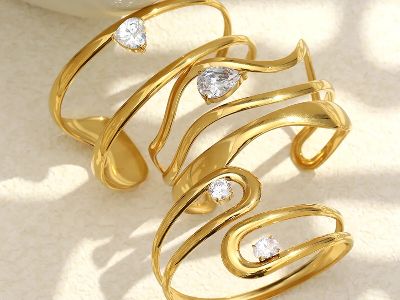
Understanding how 18K gold plated jewelry can support trend-driven collections is crucial for B2B buyers in the jewelry industry. Not only does this material offer a luxurious appearance, but it also addresses key concerns such as durability, customization, and cost-effectiveness. This article will delve into the quality standards, selection criteria, and practical considerations for purchasing 18K pvd gold plated jewelry, helping purchasing managers and product managers make informed decisions.
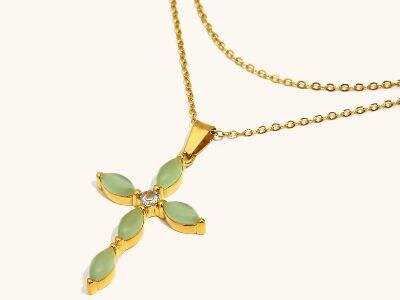
How 18K Gold Plated Jewelry Meets Quality Control Standards
When sourcing 18K gold plated jewelry, quality control is paramount. The gold plating process involves a layer of gold being applied over a base metal, typically using advanced electroplating techniques. This ensures a durable finish that can withstand daily wear. At Dingran Jewelry, we implement rigorous quality control standards throughout our manufacturing process. This includes inspections at various stages—from raw material selection to final product evaluation—to ensure that each piece meets both aesthetic and functional requirements.
Buyers should understand the significance of gold thickness, which is often specified in microns. A thicker layer generally means better durability and resistance to tarnishing. It’s also essential to verify that the base metal is appropriate for the intended market, as different regions might have specific standards regarding nickel content and hypoallergenic properties.
Choosing 18K Gold Plated Jewelry for Wholesale Collections
When selecting 18K gold plated jewelry for wholesale collections, buyers must consider several factors that align with market trends and consumer preferences. Customizability is one of the primary advantages offered by manufacturers like Dingran Jewelry. With OEM/ODM services, you can tailor designs to reflect unique brand identities, enabling you to meet specific market demands effectively.
Additionally, assess the variety of styles and finishes available. Trend-driven collections often benefit from diverse offerings, including various designs, colors, and textures that can appeal to different consumer segments. It’s also advisable to analyze seasonal trends and consumer feedback to inform your choices, ensuring that your collection remains relevant and appealing.
Key Specifications for 18K Gold Plated Jewelry Buyers
For a successful purchase, buyers should focus on specific key specifications that directly impact the product's quality and suitability. Important specifications include:
Gold Layer Thickness: Generally, a thickness of 0.5 to 2.5 microns is acceptable for jewelry. Ensure this is specified in your orders to maintain product consistency.
Base Metal: Common base metals include brass and stainless steel. Ensure the material complies with your regional regulations and is suitable for your target demographic.
Finish Type: Options such as high-polish, matte, or hammered can significantly affect the visual appeal. Discuss these options with your supplier to align with current trends.
Durability Ratings: Inquire about how the jewelry has been tested for wear and tear, which can inform how well it will perform in the market.
Confirming these specifications upfront can prevent common issues later in the production process, such as mismatched expectations or quality concerns.
Cost Considerations for Bulk Orders of Gold Plated Jewelry
Cost is a critical consideration when placing bulk orders of 18K gold plated jewelry. The price per unit can vary based on several factors, including:
Order Quantity: Bulk orders typically benefit from economies of scale, reducing the cost per unit. It's essential to discuss minimum order quantities (MOQs) with your supplier, as this can impact pricing significantly.
Design Complexity: Intricate designs may require more labor and time to produce, which can affect the overall cost. Simplifying designs without sacrificing quality can be a strategy to manage expenses.
Material Costs: Fluctuations in the price of gold and base metals can influence overall costs. Keeping abreast of these market trends can aid in planning your budget effectively.
Customization Fees: Custom designs may incur additional fees, so clarify these costs upfront to avoid surprises.
Understanding these elements can lead to more effective negotiations and budget management when sourcing jewelry.
Evaluating the Quality of 18K Gold Plated Jewelry Products
Evaluating the quality of 18k pvd gold plated chain products involves several practical steps that ensure you receive a product that meets your standards. Here are some key actions to consider:
Request Samples: Before committing to a bulk order, request samples to assess the quality firsthand. Check for the gold thickness, finish, and any signs of wear or tarnish.
Conduct Visual Inspections: Examine the jewelry for inconsistencies in color or finish. A high-quality piece should have a uniform appearance without blemishes or imperfections.
Assess Durability: If possible, perform wear tests on samples to evaluate how the jewelry holds up under real-world conditions. This can include exposure to moisture, chemicals, and daily use.
Verify Supplier Certifications: Inquire about any certifications that the supplier holds, which can provide assurance regarding manufacturing practices and material safety.
Feedback from Previous Clients: Consider seeking testimonials or case studies from other clients who have sourced similar products. This can provide insight into the supplier’s reliability and product performance.
By following these evaluation steps, buyers can mitigate risks associated with bulk purchasing and ensure they are sourcing high-quality jewelry that will satisfy their customers.